Buy Now, Pay Later: Why It Grows Fast and What to Do | Pathway 316
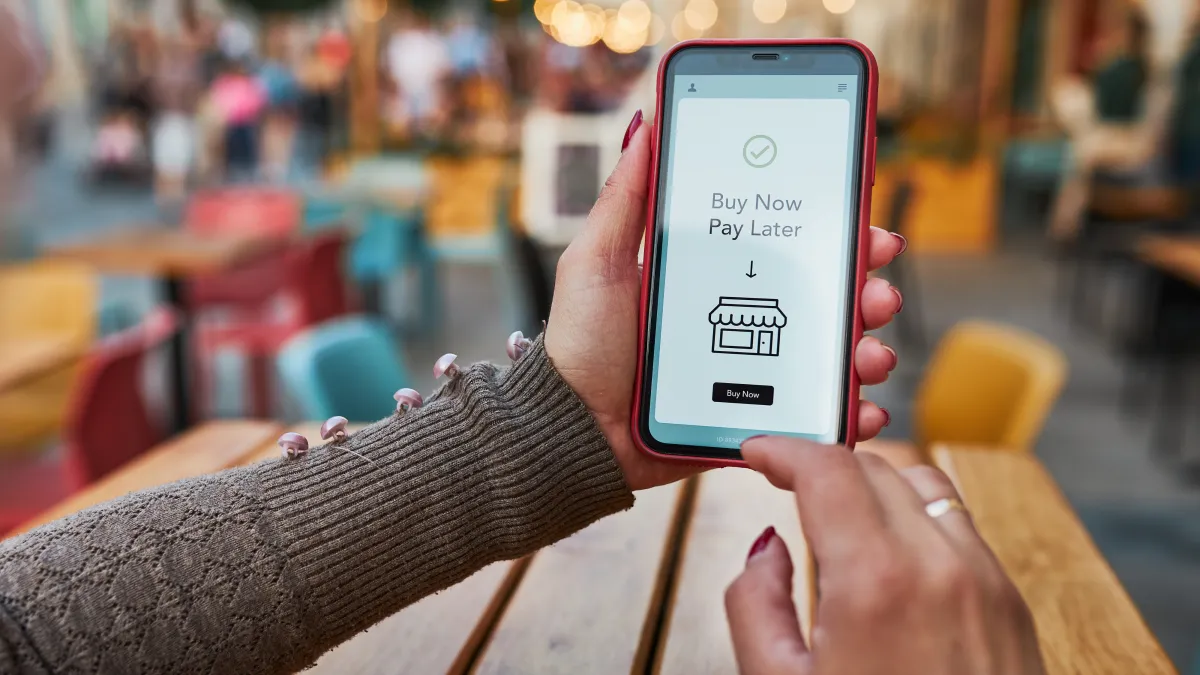
You're checking out online and the option pops up: pay $135 now, or split it into four easy payments. Often no interest. Often no hard credit check for pay-in-four plans. Just click and go. For millions of Americans, that choice feels like a no-brainer, and that is exactly why Buy Now, Pay Later has quietly become one of the fastest-growing financial products in the country.
What sounds like a smart workaround can quickly become a pile-up of debt you did not plan for. As of 2025, an estimated 91.5 million Americans use BNPL services. At Pathway 316, we walk alongside Christians making these exact decisions every day. Before you click "pay later" again, it is worth understanding what is actually happening.
Why BNPL Is Growing So Fast
The short answer is that it feels painless. Splitting a $200 purchase into four $50 payments does not feel like debt. Psychologically, smaller numbers are easier to say yes to, and BNPL companies have built their entire model around that truth.
The growth backs it up. BNPL purchase volume in the U.S. is projected to reach $122.3 billion in 2025, with the global market valued at $44.89 billion and climbing at 23% annually. (Source: Capital One Shopping, Fortune Business Insights) What started as a niche payment option now finances roughly 6% of all U.S. e-commerce in 2024, up from just 2% in 2020. (Source: Morgan Stanley)
Part of the appeal is accessibility. Many BNPL providers approve users for pay-in-four loans without a hard credit pull, making the option attractive to people who may not qualify for traditional credit. That ease of access has also helped fuel interest among younger consumers. In one LendingTree survey, 64% of Gen Z respondents said they preferred BNPL to store cards. (Source: LendingTree)
The Hidden Risk Most People Miss
Here is where it gets complicated. BNPL does not always show up on your credit report, which means lenders cannot see how much you actually owe. The Federal Reserve Bank of Richmond has called this "phantom debt" because these are real financial obligations that remain invisible to the broader credit system. (Source: Federal Reserve Bank of Richmond Economic Brief)
The debt adds up faster than people realize. Research has found that BNPL borrowers tend to carry higher balances on other forms of debt than non-users, and a 2026 LendingTree survey found that 41% of BNPL users said they had made a late payment in the past year. (Source: Consumer Financial Protection Bureau, LendingTree)
The bigger issue is juggling. Nearly 60% of BNPL users have held more than one active loan at the same time, and many lose track of what they owe altogether. That financial blur is what makes BNPL feel manageable until suddenly it is not. When you are navigating multiple types of debt, visibility matters, and understanding how credit really works becomes essential.
The credit industry has taken notice, and in June 2025, FICO officially announced FICO Score 10 BNPL and FICO Score 10 T BNPL, the first credit scores from a leading credit scoring provider to incorporate Buy Now, Pay Later data. (Source: FICO)
For millions who assumed BNPL had no credit consequences, that is a meaningful shift. What once felt separate from traditional credit scoring may increasingly carry real financial weight.
How to Use BNPL Without Letting It Use You
Managing BNPL responsibly starts with one rule: treat every BNPL purchase like a real loan, because it is one. Before clicking "pay later," ask yourself whether you have the cash to cover the full amount right now. If the answer is no, that matters.
Keep your BNPL commitments to one at a time. Stacking multiple loans is one of the easiest ways to fall behind. Set reminders for every due date and check your total balance the same way you would review a credit card statement. If you find yourself using BNPL for everyday essentials like groceries, that is a signal that spending has outpaced income and a real plan is overdue. Creating a biblical budget can help you see where your money is actually going and make intentional choices that align with your values.
Proverbs 22:7 reminds us that the borrower is servant to the lender. That is not a warning meant to bring shame, but wisdom meant to bring freedom. The more obligations quietly pile up, the harder it becomes to give generously, provide for your family, and live with the peace God intends for you.
At Pathway 316, we believe your finances are not separate from your faith. We help Christians build spending plans rooted in both wisdom and Scripture, so money decisions align with what matters most. Whether you need help managing debt, building a sustainable budget, or simply want accountability, our tools and resources are here to help.
The Pathway 316 app makes it simple to track every payment, see your complete financial picture in one place, and stay accountable to the goals that matter most. Download it today on iOS or Android, or access through Desktop and get personalized guidance that helps you honor God with every dollar. Whether you are working through debt, building your first budget, or just need someone in your corner, we are here for you.
You do not have to figure this out alone. Visit the Pathway 316 Blog Hub for more faith-grounded financial guidance, and take your next step toward freedom today.
Download the Pathway 316 App and let stewardship lead the way, one faithful step at a time.
This article is for informational purposes only and does not constitute financial advice. Please consult a qualified financial professional for guidance specific to your situation.