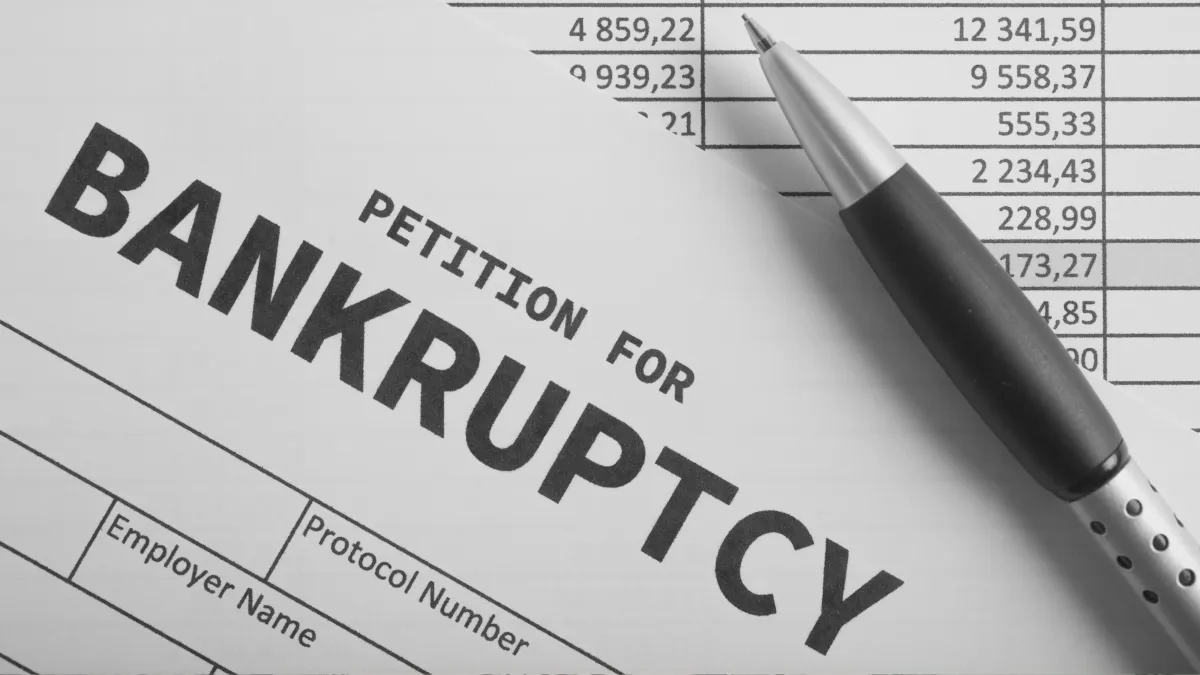
Christian Guide to Bankruptcy: What to Do When Debt Feels Overwhelming
Debt often creeps up through small compromises until it becomes a barrier. In the United States the average credit card balance among cardholders with unpaid balances hit $7,321 in Q1 2025, up from $6,921 a year earlier (Source: LendingTree). Feeling buried by debt is not unusual. If you are a Christian you may also carry spiritual tension about this situation. This guide seeks to bridge your faith and finances so you can respond with clarity rather than fear.
When every month feels like a cycle of struggle, considering bankruptcy may seem daunting. At the same time the number of people choosing to file is rising. In the twelve months ending June 30 2025 personal and business filings reached 542,529, an increase of 11.5 % over the prior year (Source: U.S. Courts). That does not mean giving up. It means evaluating your situation honestly and deciding on a path forward with integrity.
What bankruptcy actually does
Bankruptcy is a federal legal process that gives individuals who cannot reasonably pay their debts the opportunity to reset part of their obligations. The two most used chapters are Chapter 7 and Chapter 13. Chapter 7 allows many unsecured debts to be discharged after non-exempt assets are used to pay creditors. Chapter 13 involves a repayment plan over three to five years while letting people retain more assets. Bankruptcy stays on a credit report for years and may affect future borrowing or housing options. At the same time it stops wage garnishments and most collection lawsuits while the case is active. If your interest‐carrying debt is increasing faster than your ability to pay, it may be time to review this option carefully.
How faith plays a role
The Bible does not mention modern bankruptcy law by name. It does however call for honesty, wise stewardship, respect for obligations, and mercy for the distressed. A Christian facing bankruptcy does not step outside God’s care. Instead the process raises questions: How did I get here? What must change? How can I honor God, care for my household and move forward responsibly? You may feel guilt or shame. That feeling invites action not avoidance. Choosing to evaluate your situation, seek counsel and act wisely aligns with faith, not with failure.
Practical steps you should take
Begin by gathering all your statements, bills, income and expenses. Seeing the full picture removes the fog. Many people meet with nonprofit credit-counseling agencies or faith-based financial ministries to go through alternatives such as debt-management plans or negotiating with creditors. Know your rights. Debt collectors must follow federal law and cannot harass or deceive you. If you are months behind, facing lawsuits, or lack any real way to repay your debts in a reasonable timeframe, consulting a licensed bankruptcy attorney makes sense. A one‐hour meeting can clarify which chapter you might use, what your state’s exemptions protect, and what the cost and timeline look like.
Rebuilding after the filing
If bankruptcy becomes necessary, it marks a new chapter. On the financial side you rebuild by budgeting, establishing even a small emergency fund, and using credit carefully (for example a secured card paid fully monthly) to rebuild your credit profile. Research shows that steady on-time payments and keeping your balances under control are two of the most important factors in rebuilding your credit after a setback (Source: Consumer Financial Protection Bureau). On the spiritual side you rebuild by accepting grace, renewing the way you think about money, and building habits that reflect trust not fear. Your identity remains in Christ. Your financial story can still reflect generosity, integrity and new beginnings.
You are not defined by your debt or by a court filing. What matters is the path you choose now, with clarity, faith and responsibility. Whether you file bankruptcy or pursue another solution, align your decision with your values and your faith. If you would like structured, faith-centered support for budgeting, debt management and long-term planning, explore the resources at Pathway316.
Start your debt-free journey with Pathway 316 today.
For more blogs and insights, visit Pathway 316 Blog Hub.
