
Rebuild Credit Without Obsessing Over Your Score | Pathway 316
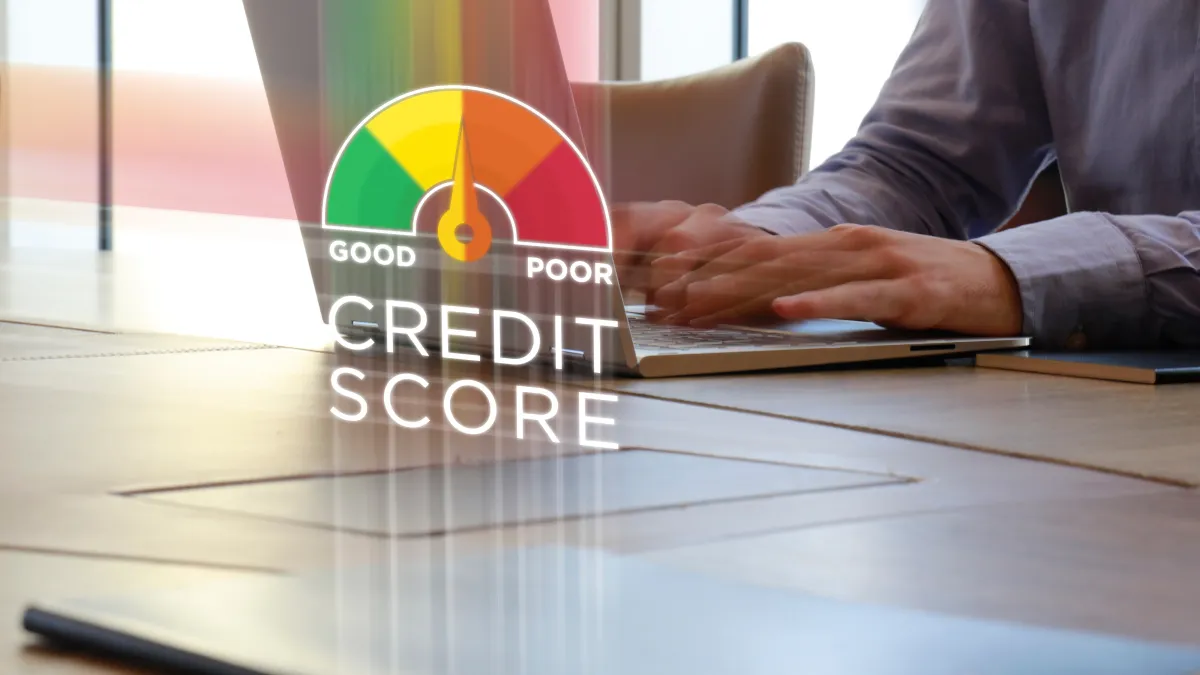
If your credit score has been living rent-free in your head, you’re not dramatic. Credit can decide whether you get approved, what rate you pay, and sometimes even what deposits you owe. When money is tight, that pressure feels louder because one late payment can snowball fast.
And right now, a lot of people are feeling that snowball. In late 2025, the average VantageScore 4.0 slipped to 700, with rising delinquencies showing up in the background. That does not mean you are “bad with money.” It means the environment is harder, and rebuilding needs a plan you can actually sustain. (Source: VantageScore)
Why rebuilding feels slower right now (and why that’s normal)
When interest rates and everyday costs stay high, people lean more on credit to bridge gaps. That usually looks like higher balances, more accounts hitting early delinquency, and lenders getting pickier at the worst possible time. In Q4 2025, total U.S. household debt rose to $18.8 trillion, and the share of debt in some stage of delinquency ticked up to 4.8%. Credit card balances also increased during that quarter. So if progress feels slower, it might be because the whole system has less “room” for mistakes right now. (Source: Federal Reserve Bank of New York)
Here’s the mindset shift that helps without turning your score into a personality trait: your credit score is a readout of behaviors, not your value. The win is building steady habits that keep working even when life gets messy.
The boring moves that actually change your score
Most people want the “hack.” Credit usually rewards the “boring.” A strong score tends to come from consistent on-time payments, low revolving utilization, and time. The national average FICO score going into 2025 was 715, which is a good reminder that “good credit” is not rare or magical. It is usually just consistent. (Source: Experian)
So aim for a simple two-part system you can repeat. First, protect payment history by automating minimum payments on every account so you stop accidental late fees. Second, control utilization by keeping your card balances low relative to the limits, especially on the cards you use the most. If you can only do one thing this month, make it paying on time. If you can do two things, add a steady balance payoff target and stick to it.
Once those two are stable, the next step is cleaning up anything that is quietly dragging you down.
Fix the hidden score killers: errors, disputes, and messy reporting
Credit reports are not always accurate, and “small” errors can block approvals. The CFPB has reported that credit and consumer reporting complaints dominate its complaint volume, with millions of complaints tied to credit reporting over the recent reporting period. That does not prove every complaint is valid, but it does confirm this is a widespread pain point, not a rare edge case. (Source: Consumer Financial Protection Bureau)
This is where you get practical. Pull your reports, scan for wrong balances, duplicate accounts, paid collections still showing as unpaid, or accounts that are not yours. Dispute what is clearly incorrect and keep documentation. If you have old delinquencies, focus on preventing new ones first, because new negative marks hurt more than old ones that are aging out.
Now you’re ready for the part people skip: rebuilding in a way you can keep doing without spiraling into score obsession.
A faith-first rebuild plan you can actually live with
Rebuilding works best when it fits your real life. That is why Pathway 316 focuses on peace and stewardship, not pressure. If your plan requires perfect months forever, it is not a plan, it is a fantasy.
Start by choosing a single “anchor habit” you refuse to break, like never missing a due date. Then add one upgrade at a time, like a weekly balance check or a small extra principal payment. If you want structure and support while you rebuild, Pathway 316 is built for this, with practical tools that help you stay consistent without getting overwhelmed.
If you want to keep momentum, explore the Pathway 316 Blog Hub for more guidance, then visit the main Pathway 316 site to see the bigger framework behind the app. When you’re ready to make this easier day to day, download the Pathway 316 app for iOS, for Android, or visit the Pathway 316 App Web version, so your tools, reminders, and next steps are in one place, and book an appointment when you want a real conversation about your situation.
Download the Pathway 316 App and let stewardship lead the way, one faithful step at a time.